
 4.5 on G2
 SOC 2 Type 2
How teams connect Azure DevOps and Zendesk
Pick the setup closest to yours. Zendesk tickets sync with any Azure DevOps work item type, including custom ones.
-
 Bugs
 Items sync both ways between Azure DevOps and Zendesk
 Tickets
Escalate support tickets to engineering
When a ticket is found in Zendesk, create a matching bug in Azure DevOps and keep them in sync.
 Status, comments and attachments sync both ways, so engineers' questions reach Zendesk as internal notes and agents answer the customer from the ticket.
-
Features
Items sync both ways between Azure DevOps and Zendesk
Tickets
Send feature requests from support to the backlog
When a ticket is found in Zendesk, create a matching feature in Azure DevOps and keep them in sync.
Status, priority and comments sync both ways, so agents can tell customers from the Zendesk ticket when engineering starts on the feature they asked for.
-
Bugs
Items sync both ways between Azure DevOps and Zendesk
Tickets
Keep support in the loop on known bugs
When a bug is found in Azure DevOps, create a matching ticket in Zendesk and keep them in sync.
Status and due dates update on the Zendesk ticket as engineers schedule the Azure DevOps bug, so agents can tell affected customers when the fix is due.

Trusted by Fortune 500 companies and global brands


Set up your Azure DevOps–Zendesk sync in simple steps
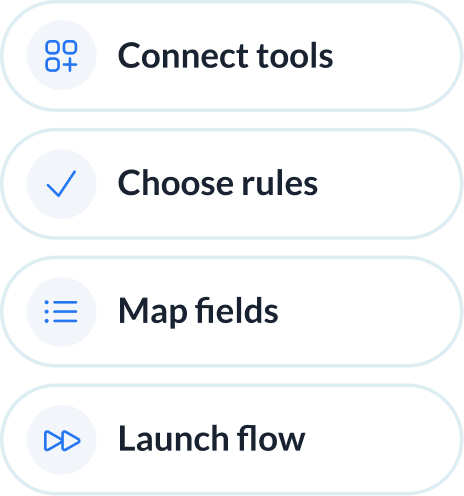
Connect your tools, choose what to sync, and launch your flow. No engineering required.
Connect your tools
Define how data flows

Set flow conditions

Review how fields map across tools
Watch Azure DevOps and Zendesk sync both ways
Demo video:
Azure DevOps and Zendesk 2-Way Sync
Everything Unito syncs between Azure DevOps and Zendesk
Choose which tool creates new items and which way each field syncs, so Zendesk tickets can create Azure DevOps bugs while status, comments and attachments update both ways. Set rules on field values to decide which tickets and bugs sync.
Azure DevOps
Supported object types
- Tasks
- Issues
- Epics
- Bugs
- Features
- User stories
- Product backlog items
- Impediments
- Test cases
- Test plans
- + Custom work item types
Also syncs
 Comments
 Attachments
 Subtasks
 Hierarchies
 Rich text
Supported fields
 Two-way
- Title
- Description
- State
- Assignee
- Priority
- Work item type
- Tag
- Activated date
- Area path
- Attachments
- Comment
- Due date
- Start date
- Target date
- Effort
- Iteration path
- Remaining work
- Story points
 One-way (read only)
- Acceptance criteria
- Swimlane
- Test case steps
- Unique identifier
- Created at
- Link to issue
- Updated at

Zendesk
Supported object types
- Tickets
Also syncs
- Comments
- Attachments
 Problem and incident tickets
- Rich text
Supported fields
Two-way
- Subject
- Status
- Assignee
- Priority
- Due date
- Tags
- Attachment
- Comment
- Requester
- Group
- Collaborators
- Email CCs
- Followers
- Problem
- Ticket form
One-way (read only)
- Submitter
- Link to ticket
- Ticket type
- Ticket number
- Created at
- Updated at
Real-time data sync with full control, no coding required
Enterprise-grade sync without the enterprise-grade complexity
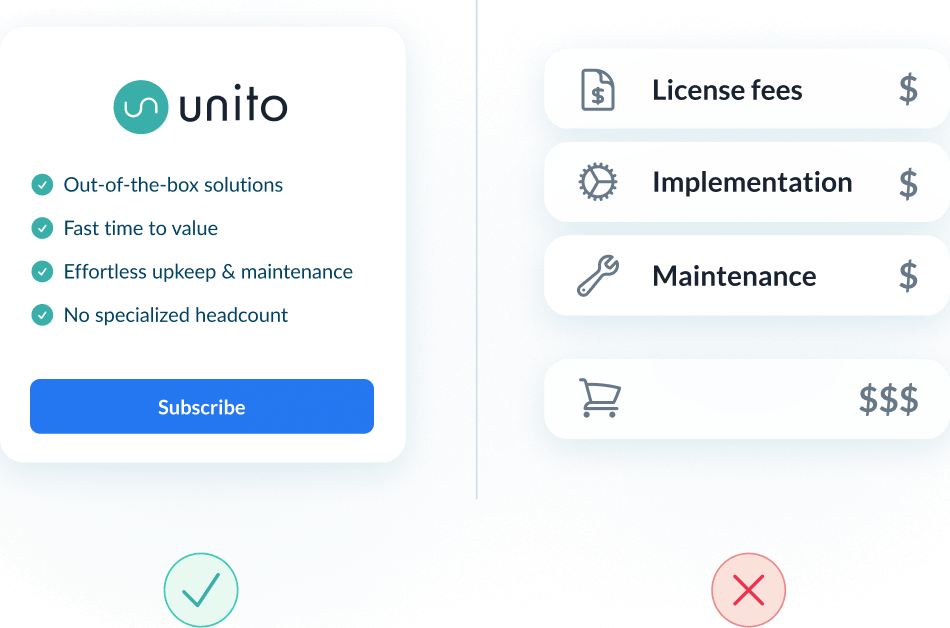
Most enterprise iPaaS platforms require certified architects to bridge Azure DevOps and Zendesk. Unito delivers the same enterprise-grade reliability with a UI any operator can drive.
Abstracted complexity
Lower total cost of ownership
Scalability and resilience

Enterprise-grade control and reliability
Unito is designed to meet the highest standards of security and performance.
SOC 2 Type 2 certified

GDPR and CCPA compliant
- SSO
- Secure from end to end
- Access controls and flow permissions
- Centralized monitoring tools
- No data stored by Unito
See how teams succeed with Unito
-

"Unito’s flexibility and support were critical. They didn’t just provide a tool; they became a partner in solving our workflow challenges."

$595k
saved annually
21k
tasks synced monthly
7.9k
hours saved annually
-

"Absolutely love the two-way sync. It allows our pipeline to run seamlessly from Sales to Engineering, while ensuring everyone is on the same page in Salesforce and Jira."

$312k
saved annually
2600
hours saved
-

"Unito grants more visibility to executives and projects managers. Syncing Jira and Wrike provided more clarity in our reporting and enables collaboration between teams."

$291k
saved annually
3328
hours saved
-

"We saved more than 40 hours a week after syncing Asana and Jira through Unito. Our engagement with the C-suite was far, far better than expected. "

$218k
saved annually
2236
hours saved
-

"Unito isn’t just a nice-to-have—it’s a necessity once you realize how much time and effort it saves."

8.5
weeks IT time saved/year
30-40
ServiceNow licenses saved
9.79x
ROI
-

"Unito allows us to use the right project management and development tools so our teams can do their work without changing how they work."

$98k
saved annually
1040
hours saved
See how you can sync Azure DevOps and Zendesk with Unito
Book time with an integration expert who can help solve your specific workflow integration challenges.
What to expect
- A 15-30 min call to assess your workflow and integration needs
- A solutions overview of Unito’s sync platform
- Hands-on help to get started and support your evaluation
Frequently asked questions about Azure DevOps and Zendesk
Unito keeps Zendesk tickets in bidirectional sync with Azure DevOps bugs, tasks, issues and epics, so an update in either tool reaches the other. For the full walkthrough, see our Azure DevOps + Zendesk integration guide.
Only in a limited way. Azure DevOps can post work item comments to Zendesk tickets as private comments, and Zendesk’s action flows can create, update and comment on Azure DevOps work items. Neither keeps fields and statuses in two-way sync out of the box, which Unito does.
Yes. Flow rules trigger a new work item when a ticket matches conditions like priority, group, or tag. The ticket and work item stay linked for two-way updates from that point forward.
No. Anything Unito creates in Zendesk lands as an internal note, so Azure DevOps discussion stays off the customer’s view. Public Zendesk replies sync into Azure DevOps as comments; to keep internal Zendesk notes out of Azure DevOps too, exclude them from the flow.
Bidirectional. Azure DevOps title, description, state and assignee sync two-way with Zendesk subject, status and assignee. Which tool creates new items and which way each field updates are set separately, so even a one-way flow can sync field edits both ways.
Yes. Unito maps custom fields by type, like text to text or date to date, and most types can also map into a text field. That covers Azure DevOps picklist and identity fields and Zendesk dropdown and multi-select fields. Each mapping is set one-way or two-way on its own.
Yes. Rules limit the flow to items matching specific tags, assignees or statuses, and an item syncs only when every condition on the rule is met. Rules can also act on what syncs, such as auto-assigning a synced work item to a specific person.
About Azure DevOps
Azure DevOps is Microsoft's end-to-end developer platform, offering tools for planning, developing, delivering, and operating software. It supports Agile, Scrum, and CMMI processes with built-in boards, pipelines, repos, and test plans.
Learn more about Unito's Azure DevOps integrations ↗About Zendesk
Zendesk is a customer service platform that centralizes support tickets, live chat, and customer conversations across email, social, and messaging channels. Support teams use it to manage customer requests and maintain service quality at scale.
Learn more about Unito's Zendesk integrations ↗