

The 7 Best SaaS Integration Platforms
The average organization uses 106 SaaS apps, meaning work is disjointed by default. Every workflow needs to push data and work items from tool to tool to tool. This can create devastating misunderstandings and push projects past their deadlines.
That’s why SaaS integration platforms are so essential.
What are SaaS integration platforms?
SaaS (software as a service) apps are delivered over the internet, meaning you don’t need to install them locally. SaaS integration platforms are tools that are both delivered over the internet and integrate SaaS apps. That means you can bridge the gap between the SaaS tools you rely on for day-to-day work with a similar platform.
The actual functionality of SaaS integration platforms can vary widely, with the following options being the most common:
- Two-way sync: These platforms sync changes back and forth between the apps they integrate.
- One-way automation: These tools push updates and work items in one direction, from one app to another.
- Native integrations: These integrations are built into other SaaS tools, allowing you to integrate them without using third-party services.
Best SaaS integration platforms: Summary table
| SaaS integration platform | Starting price | Integration type | Number of connectors | Best for |
| Unito | $49/month | Two-way, real-time | 60+ | Two-way syncing |
| Zapier | Free plan, with paid plans starting at $19.99 a month | One-way automation | 7,000+ | Simple automations |
| Workato | $10,000 a year | Trigger-action automation | 1,000+ | Enterprise automation |
| Make | Free plan, with paid plans starting at $10.59 a month | One-way automation | Thousands | Complex, data-intensive workflows |
| Tray.ai | Custom, usage-based pricing | Low-code and API management | 600+ | Customized workflows |
| Boomi | Custom, per-connector pricing | Hybrid | 300,000+ | Enterprise integration |
| Mulesoft | $27,000/year for Composer, custom pricing for Anypoint | No-code integration and API management | Hundreds | Salesforce integration |
The 7 best SaaS integration platforms
Unito: Best two-way SaaS integration platform

Many SaaS integration platforms use one-way automations to push data from one tool to another. With the right technical knowledge, you can even chain multiple automations together to create robust integrations across your workflows.
But this doesn’t compare to a true two-way sync.
Unito is a two-way sync SaaS integration platform with some of the deepest integrations for tools like ServiceNow, Salesforce, Jira, Asana, and more. With a Unito integration, nearly every field in your tools can be automatically updated as you work, keeping everyone in sync as they collaborate across tools.
Strengths
- Real-time, bidirectional sync
- 60+ pre-built connectors
- Deep field mapping and rules
- No-code visual interface
- SOC 2 Type II security certification
Main limitation
While Unito has over 60 integrations, that’s less than other integration platforms.
Customer rating
Zapier: Best for one-way automations
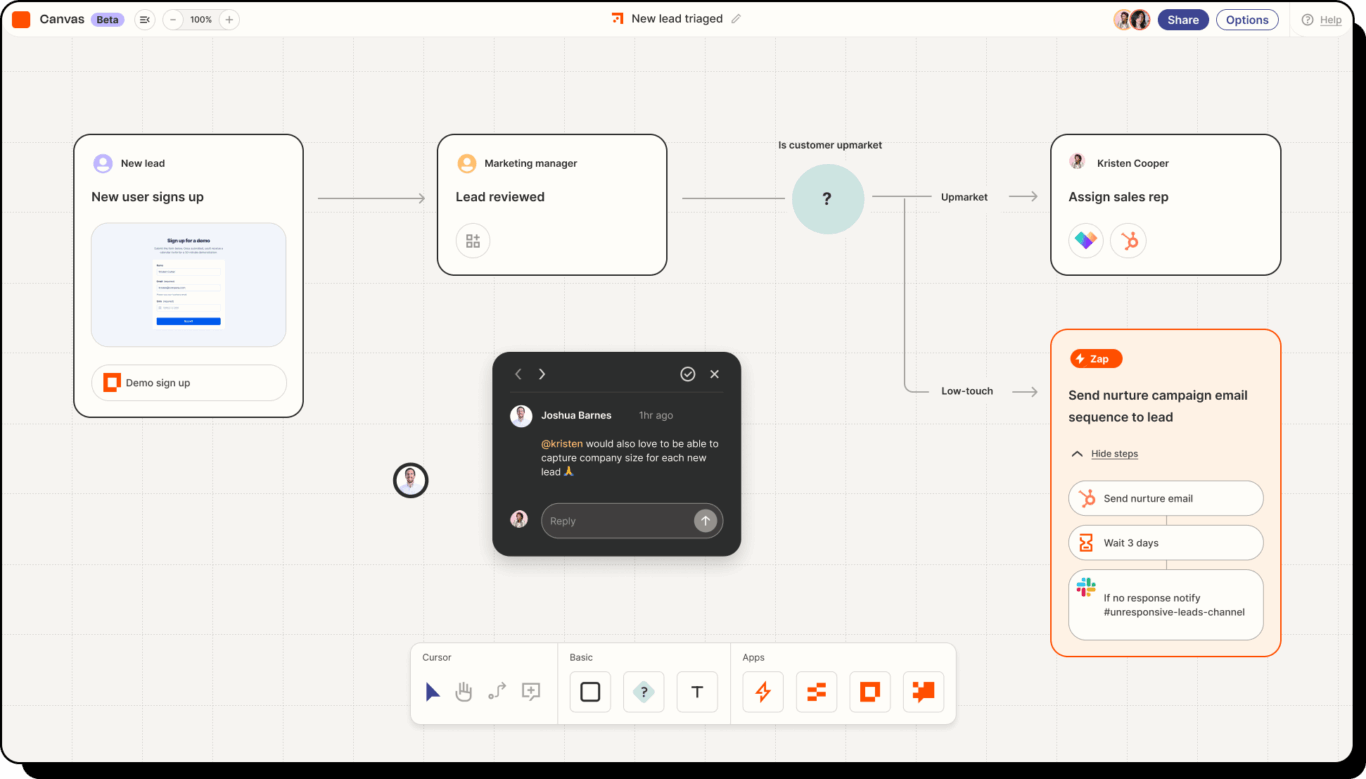
Zapier is one of the most popular SaaS integration tools out there, largely due to its support for thousands of connectors. With simple, trigger-based automations, Zapier allows just about anyone to start building their first integration, no matter their background.
Strengths
- 7000+ connectors
- Visual automation builder
- Prebuild templates for quick setup
- Webhook support
Main limitation
Zapier’s automations have less depth than other integration solutions.
Customer rating
Workato: Best for AI-powered workflow automation
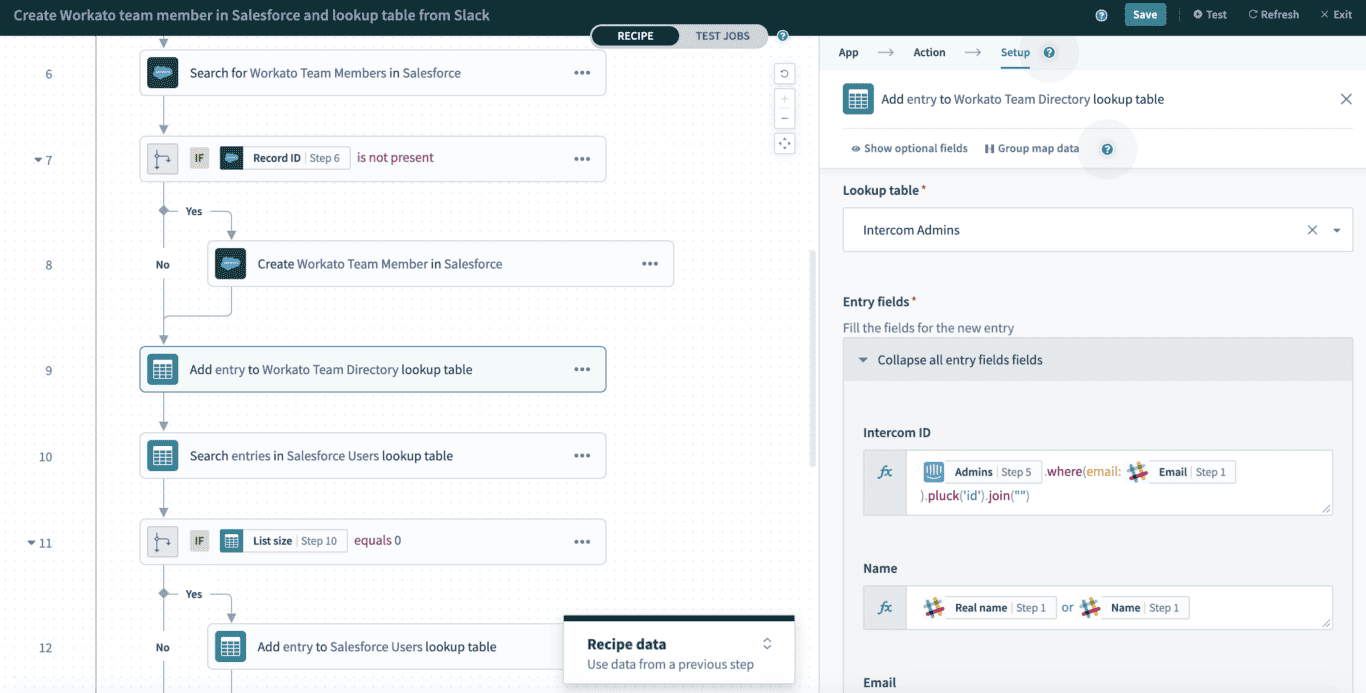
Workato is a leading platform for workflow automation, meaning it’s also a solid option for SaaS integration. With built-in AI machine learning and other proprietary features, the platform is supposed to help you create automations 10 times faster than other tools.
Strengths
- 1000+ enterprise connectors
- Advanced conditional logic and branching
- Embedded integration options
- Workbot for pushing updates to Slack and Teams
- Enterprise-grade data security
Main limitation
Workato integrations are some of the more complex to set up.
Customer rating
Make: Best for no-code automations
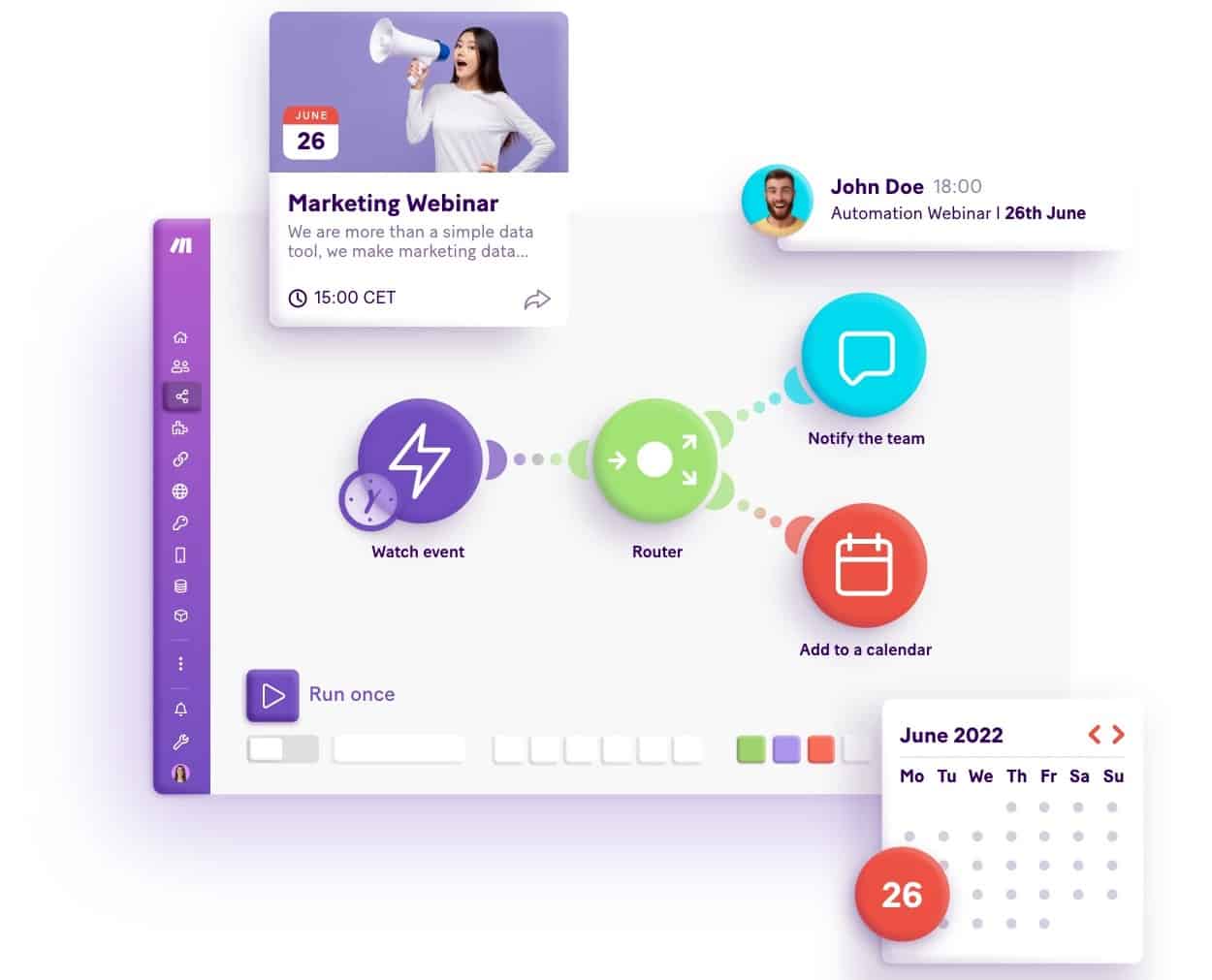
Make’s drag-and-drop interface allows any user to automate entire workflows by integrating all the SaaS apps you rely on. Workflows can run on a schedule or in real-time, customized to your needs.
Strengths
- 3,000+ pre-built apps
- Agentic AI allows you to build and scale
- AI copilot assists you in building integrations with natural language
- Drag-and-drop visual interface
- Custom app support for any SaaS platform with an API
Main limitation
Make doesn’t support syncing historical data, subtasks, or attachments.
Customer rating
Tray.ai: Best low-code SaaS integration platform
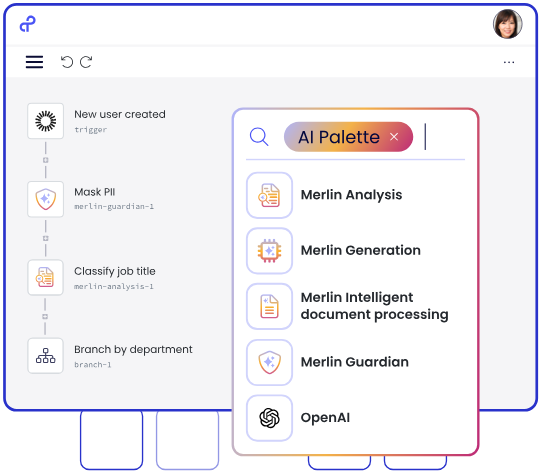
Tray.ai is a low-code SaaS integration platform that supports hundreds of apps. Its visual workflow builder lets you map out your integrations before you build them. API support means you can also build your own integrations as needed.
Strengths
- Visual workflow builder made stronger with coding knowledge
- 600+ connectors
- Custom API development tools
- Advanced data transformation
- AI agent builder
Main limitation
Since Tray.ai is a low-code tool, you’ll need some technical knowledge to get the most out of it.
Customer rating
Boomi: Best for hybrid SaaS integration
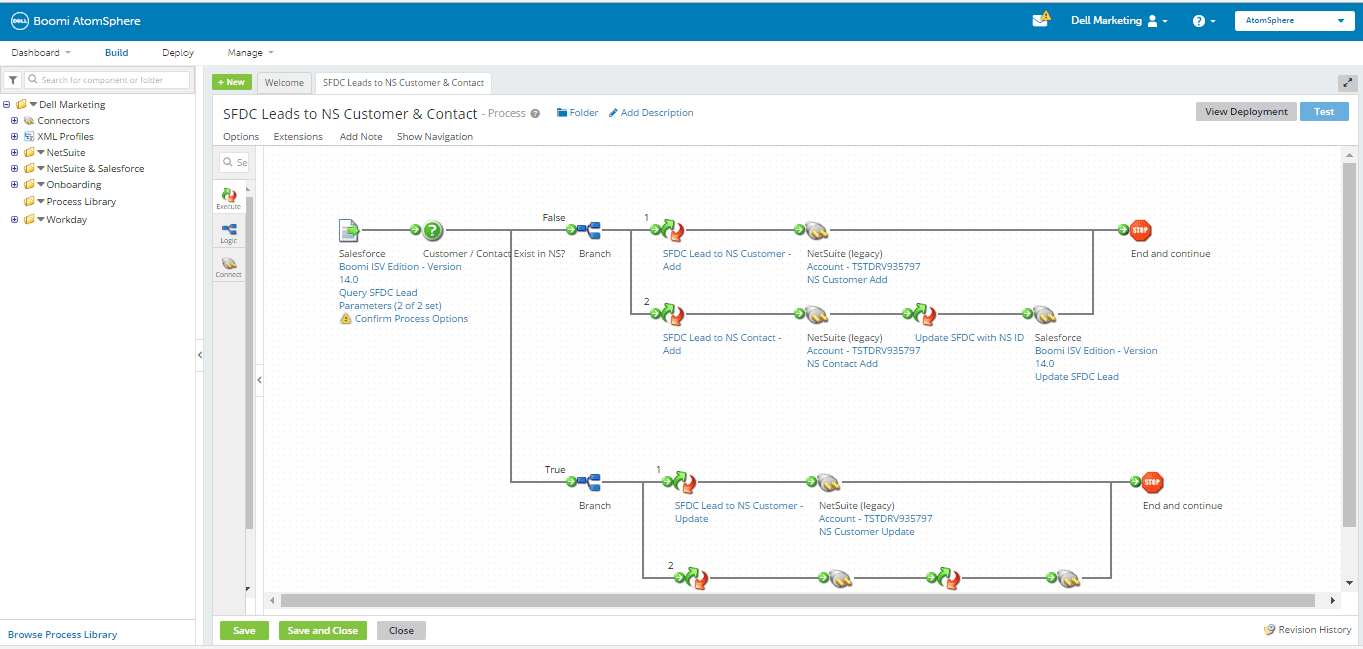
Boomi’s interface allows users of all skill levels to build integrations for SaaS apps, though it’s most effective if you have some coding knowledge. Built-in AI agents streamline some of this process, as do Boomi’s API management features.
Strengths
- Cloud and on-premise deployment
- 300,000+ possible integrations
- Visual integration builder
- Legacy-to-cloud migration
Main limitation
Boomi is best for enterprise organizations, due to its complex setup and steep learning curve.
Customer rating
Mulesoft: Best for Salesforce users
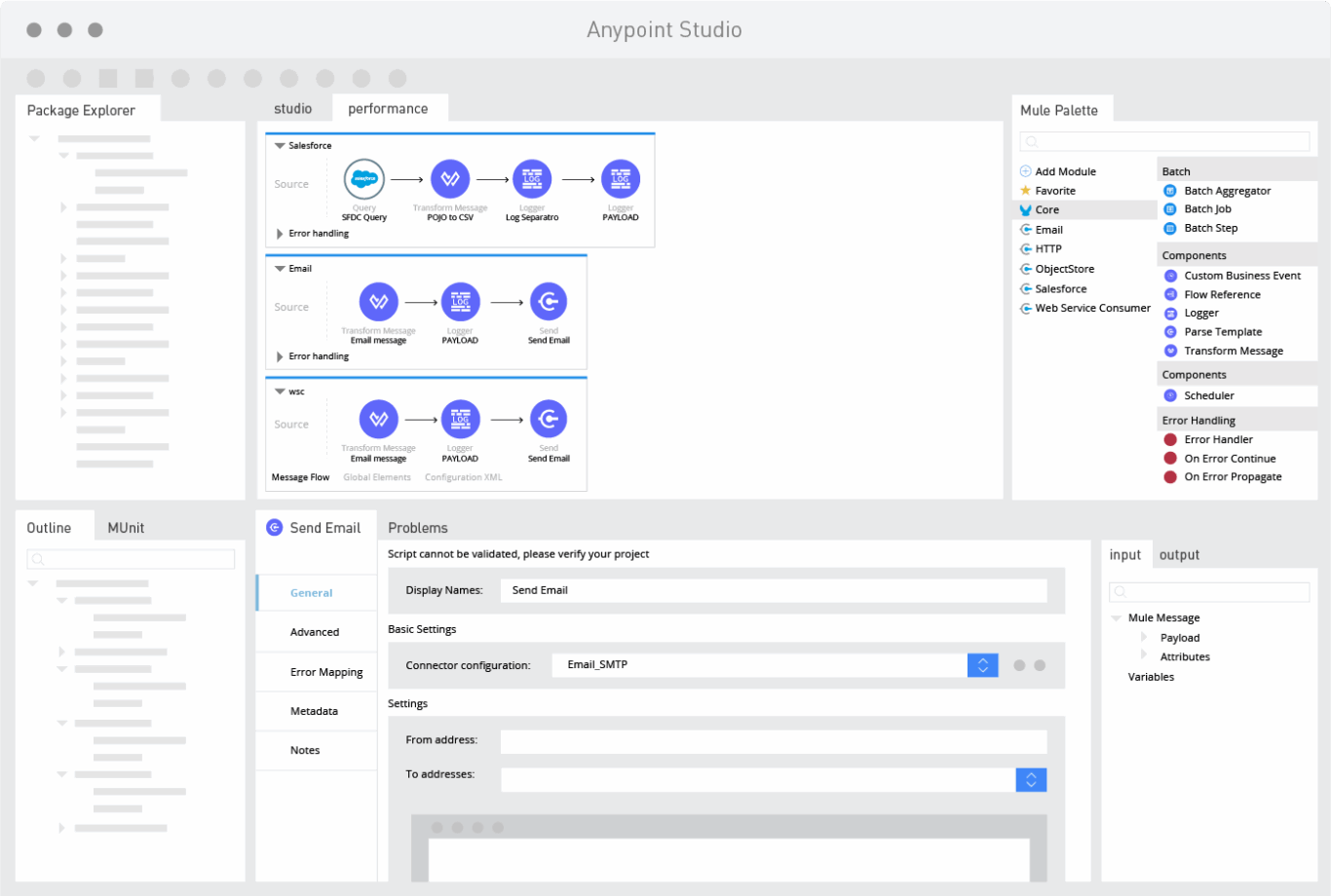
Mulesoft is an integration platform with a variety of services for all sorts of business needs. The Anypoint platform is built specifically with IT in mind, allowing them to build and deploy custom integrations, while pre-built Salesforce connectors allow Salesforce users to use a low-code platform for their integration needs.
Strengths
- No-code integration for Salesforce users
- API development and management
- Cloud, hybrid, and on-premise deployment
- Templates and pre-built connectors
Main limitation
More suitable for large organizations.
Customer rating
Ready to try the best SaaS integration platform?
Unito is the only two-way sync SaaS integration platform with deep integrations for tools like ServiceNow, Jira, Asana, Smartsheet, and more.
Get deep two-way integrations
Meet with our team to see what Unito can do for your workflows.
FAQ: SaaS integration platforms
What’s the difference between SaaS integration platforms and other integrations?
A SaaS integration platform is an integration solution that is hosted and delivered over the internet. That means you can access everything you need to use it on a web browser.
This is different from integration platforms that are either built into other SaaS tools or installed on premise, meaning they’re hosted on your servers.
Can SaaS integration platforms handle real-time data sync?
Some SaaS integration platforms, like Unito, can sync data in real-time, back-and-forth, between platforms. Others may only handle data on a schedule, anywhere from five minutes to once a day.
Do you need technical resources to use SaaS integration platforms?
It depends on the platform you’re using. Some can be set up with minimal technical knowledge, since they’re no-code and use a drag-and-drop interface. Others require coding experience, or may even need to be deployed by dedicated IT teams.