
 4.5 on G2
 SOC 2 Type 2
How teams connect Azure DevOps and Confluence
Pick the setup closest to yours. Confluence pages can become any Azure DevOps work item type, custom ones included.
-
 User stories
 Items sync both ways between Azure DevOps and Confluence
 Pages
Turn spec pages into engineering work
When a page is found in Confluence, create a matching user story in Azure DevOps and keep it updated.
 Title and description follow each edit to the Confluence spec page, so engineers pick up the Azure DevOps user story with the full spec already in it.
-
Epics
Items sync both ways between Azure DevOps and Confluence
Pages
Plan epics from roadmap pages
When a page is found in Confluence, create a matching epic in Azure DevOps and keep it updated.
Title and description update as the roadmap page changes in Confluence, so each Azure DevOps epic carries the scope the wider team agreed on.
-
Bugs
Items sync both ways between Azure DevOps and Confluence
Pages
Log bugs from test and QA pages
When a page is found in Confluence, create a matching bug in Azure DevOps and keep it updated.
Title and description carry testers' write-up from each Confluence QA page, so engineering triages the Azure DevOps bug with every test note in hand.

Trusted by Fortune 500 companies and global brands








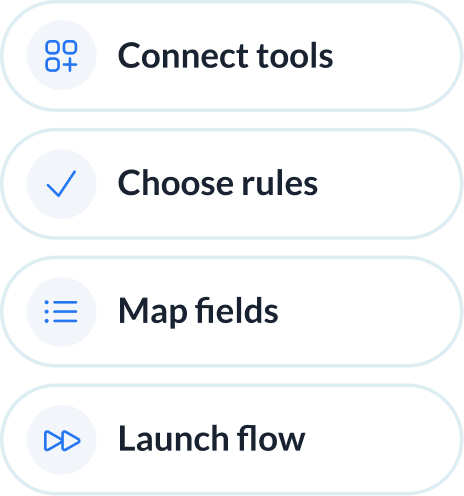
Build software development workflows in simple steps
Connect your tools, choose what to sync, and launch your flow. No engineering required.
Connect your tools
Define how data flows
Set flow conditions
Review how fields map across tools
Everything Unito syncs between Azure DevOps and Confluence
Choose which tool creates new items and which fields sync, so Confluence pages can create Azure DevOps user stories that update as each page changes. Set rules on field values to decide which pages sync.
Azure DevOps
Supported object types
- Tasks
- Issues
- Epics
- Bugs
- Features
- User stories
- Product backlog items
- Impediments
- Test cases
- Test plans
- + Custom work item types
Also syncs
 Comments
 Attachments
 Subtasks
 Hierarchies
 Rich text
Supported fields
 Two-way
- Title
- Description
- State
- Assignee
- Priority
- Work item type
- Tag
- Activated date
- Area path
- Attachments
- Comment
- Due date
- Start date
- Target date
- Effort
- Iteration path
- Remaining work
- Story points
 One-way (read only)
- Acceptance criteria
- Swimlane
- Test case steps
- Unique identifier
- Created at
- Link to issue
- Updated at

Confluence
Supported object types
- Pages
Also syncs
- Rich text
Supported fields
One-way (read only)
- Title
- Status
- Labels
- Body
- Created date
- Updated date
- Link to page
Real-time data sync with full control, no coding required
Enterprise-grade sync without the complexity
Cross-platform integration at scale usually takes weeks or months to deploy. Unito delivers reliable sync between Confluence and Azure DevOps with a self-serve setup and field-level configurability.
Abstracted complexity
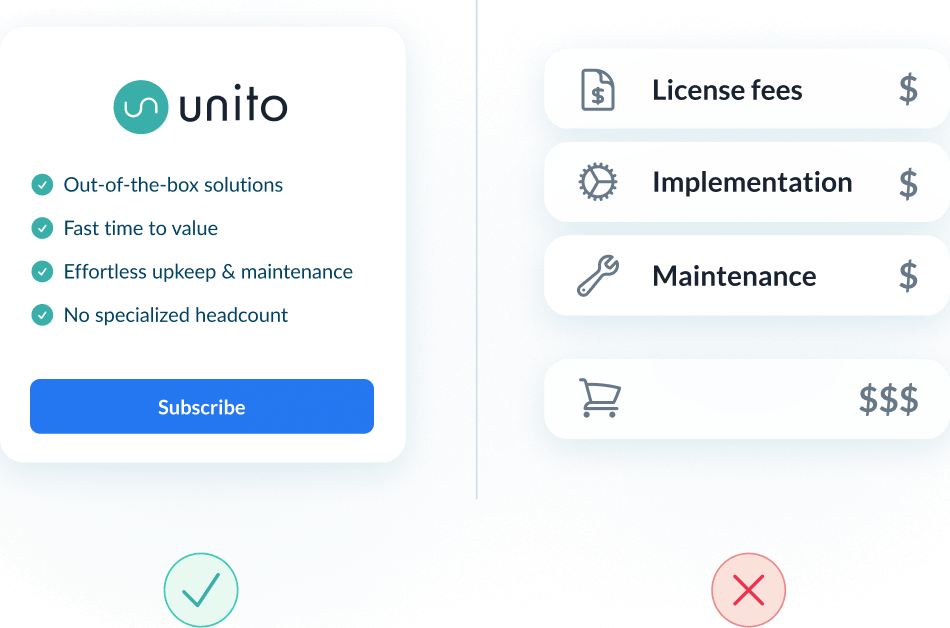
Lower total cost of ownership
Scalability and resilience
in sync
in sync
Enterprise-grade control and reliability
Unito is designed to meet the highest standards of security and performance.

SOC 2 Type 2 certified

GDPR and CCPA compliant
- SSO
- Secure from end to end
- Access controls and flow permissions
- Centralized monitoring tools
- No data stored by Unito
See how teams succeed with Unito
-

"Unito’s flexibility and support were critical. They didn’t just provide a tool; they became a partner in solving our workflow challenges."

$595k
saved annually
21k
tasks synced monthly
7.9k
hours saved annually
-

"Absolutely love the two-way sync. It allows our pipeline to run seamlessly from Sales to Engineering, while ensuring everyone is on the same page in Salesforce and Jira."

$312k
saved annually
2600
hours saved
-

"Unito grants more visibility to executives and projects managers. Syncing Jira and Wrike provided more clarity in our reporting and enables collaboration between teams."

$291k
saved annually
3328
hours saved
-

"We saved more than 40 hours a week after syncing Asana and Jira through Unito. Our engagement with the C-suite was far, far better than expected. "

$218k
saved annually
2236
hours saved
-

"Unito isn’t just a nice-to-have—it’s a necessity once you realize how much time and effort it saves."
8.5
weeks IT time saved/year
30-40
ServiceNow licenses saved
9.79x
ROI
-

"Unito allows us to use the right project management and development tools so our teams can do their work without changing how they work."

$98k
saved annually
1040
hours saved
See how you can sync Azure DevOps and Confluence with Unito
Connect Azure DevOps and Confluence in minutes and keep your docs, roadmaps, and reporting in sync with every work item.
What to expect
- A 15-30 min call to assess your workflow and integration needs
- A solutions overview of Unito’s sync platform
- Hands-on help to get started and support your evaluation
Frequently asked questions about Azure DevOps and Confluence
Yes. With rule-based criteria you set, Unito creates a matching Azure DevOps work item whenever a qualifying Confluence page or requirement appears, then keeps both in two-way sync as either side changes.
Yes. Unito syncs comments between Confluence and Azure DevOps, and you control whether notes sync as public or private, so each team sees the right context without exposing internal discussion.
Yes. Unito maps both native and custom fields, and where a tool exposes custom fields through its API, you can include them in the sync and define which direction each field flows.
You do, with no code. Unito is no-code, so the team that owns the workflow can set up, adjust mappings, and maintain the Confluence to Azure DevOps sync without engineering or scripting.
About Azure DevOps
Azure DevOps is Microsoft's end-to-end developer platform, offering tools for planning, developing, delivering, and operating software. It supports Agile, Scrum, and CMMI processes with built-in boards, pipelines, repos, and test plans.
Learn more about Unito's Azure DevOps integrations ↗About Confluence
Atlassian’s Confluence is a robust collaboration platform for anyone who wants to create, organize and share information from a central hub. With features such as collaborative editing and a built-in task manager, it’s ideal for streamlining workflows and fostering team cohesion.
Learn more about Unito's Confluence integrations ↗