

The 8 Best NetSuite Competitors
NetSuite is a leader in enterprise resource planning (ERP) platforms, used by many organizations to centralize data from CRMs, business intelligence tools, and more. But whether it’s because of the price tag, available integrations, or a lack of focus on a specific industry, many organizations look to one of NetSuite’s many competitors.
Here’s a list of the best options out there.
NetSuite Competitors: Summary table
| Netsuite competitor | Price range | Ideal organization size | Best for | Main limitation |
| QuickBooks Online | $38-$275 a month | 50 or less | Small and medium business accounting needs | More limited than other NetSuite alternatives |
| Xero | $13-$78 a month | 50 or less | Small and medium businesses needing accounting automation | Limited compared to a full ERP |
| Zoho Books | $20-$70 a month | 50 or less | Budget-conscious businesses | Fewer integrations than other options |
| Sage Intacct | Yearly contracts around $60,000 | 50-500 | Accounting needs for larger businesses | Not a true ERP |
| Microsoft Dynamics 365 Business Central | $70 per user per month, up to $100 per user per month | 50-500 | Organizations already in the Microsoft ecosystem | Limited outside the Microsoft ecosystem |
| Acumatica | Usage-based, usually starting around $1,500 a month | 50-500 | Organizations needing full customization | Complex setup |
| Certinia | Custom pricing | 50-500 | Professional service firms | Limited usability outside of service-based businesses |
| SAP Business ByDesign | Starts at about $200 per user per month | 500+ | Comprehensive ERP needs in mid-size organizations | Limited outside the SAP platform |
Top 8 NetSuite competitors
QuickBooks Online
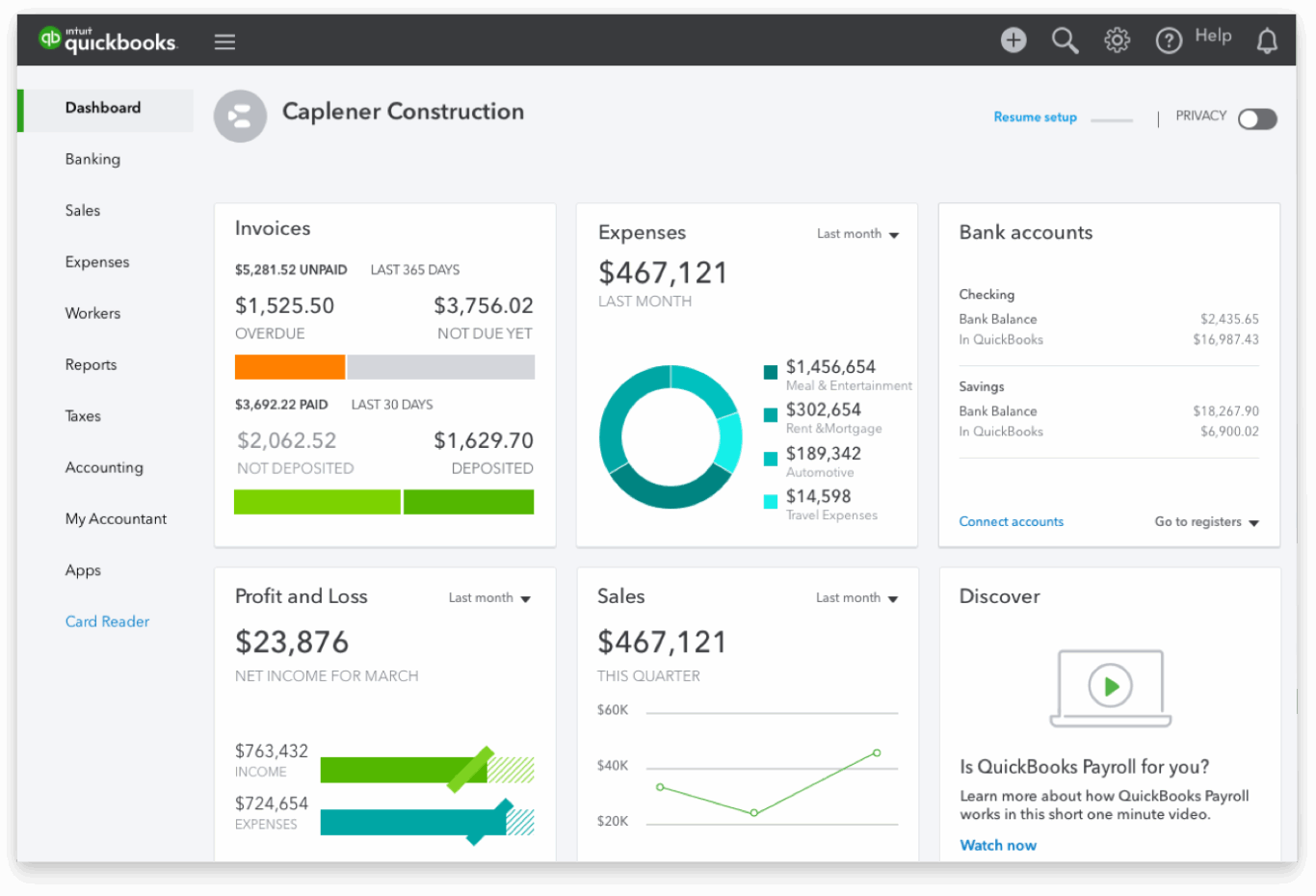
QuickBooks Online is one of the most popular accounting solutions out there, allowing even small organizations to get better visibility on revenue, costs, and more. This platform allows you to do all the financial reporting you need, whether you have a full accounting team on staff, a single accountant, or even no accountant at all.
Strengths
- Easy to use.
- Affordable NetSuite alternative.
- Widely used and compatible with many financial and automation platforms.
Main limitation
- QuickBooks Online is best suited for the accounting needs of smaller organizations.
Pricing
QuickBooks Online plans start at $38 a month and scale up to $275 a month.
Xero
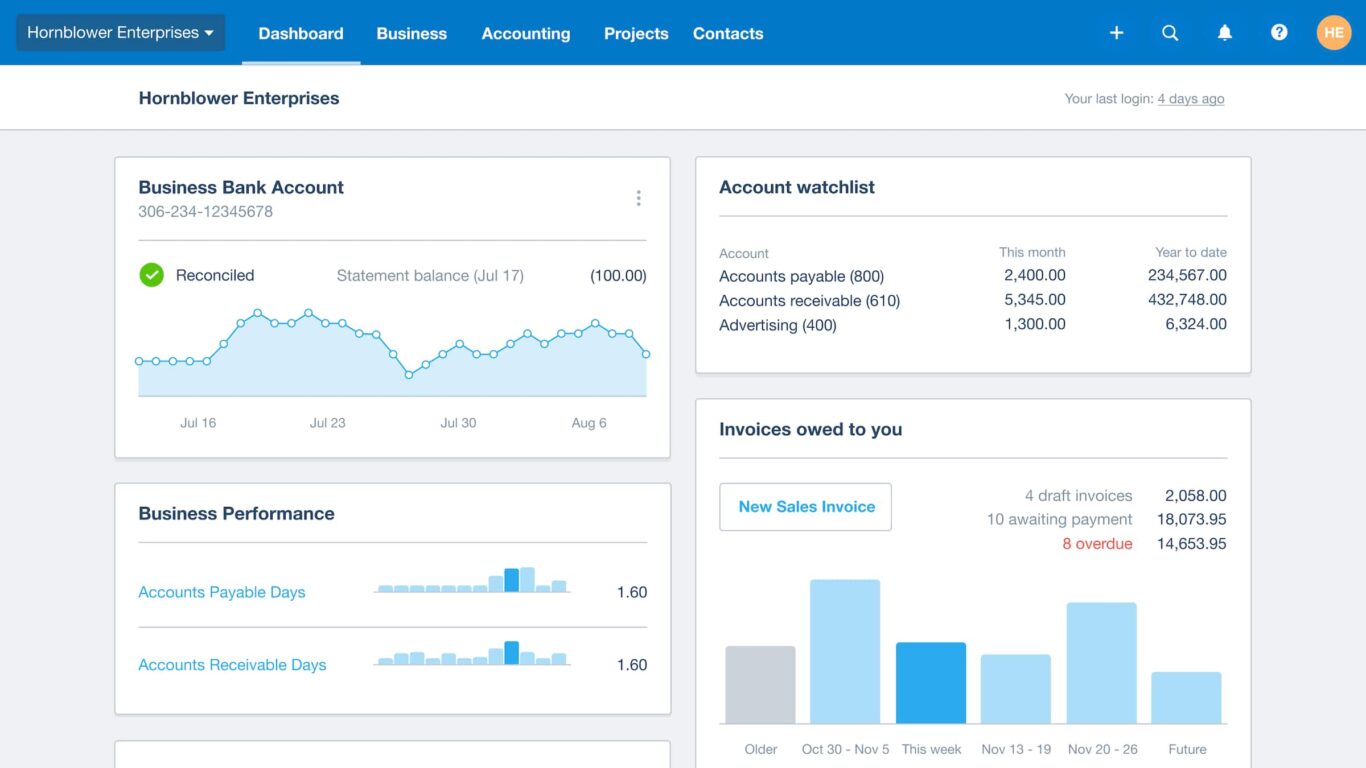
Xero is an accounting solution built specifically for small businesses, with reports, automations, and features that get important accounting processes taken care of so you can focus on essential business activities. If you have the typical accounting needs of small businesses, then Xero is a strong option for you.
Strengths
- Automates reconciliations and other complex accounting tasks
- Built-in inventory management.
- Natively integrates with more than 1,000 apps.
Main limitation
- Limited to accounting for small businesses.
Pricing
Xero pricing plans start at $13 a month, scaling up to $78 a month.
Zoho Books
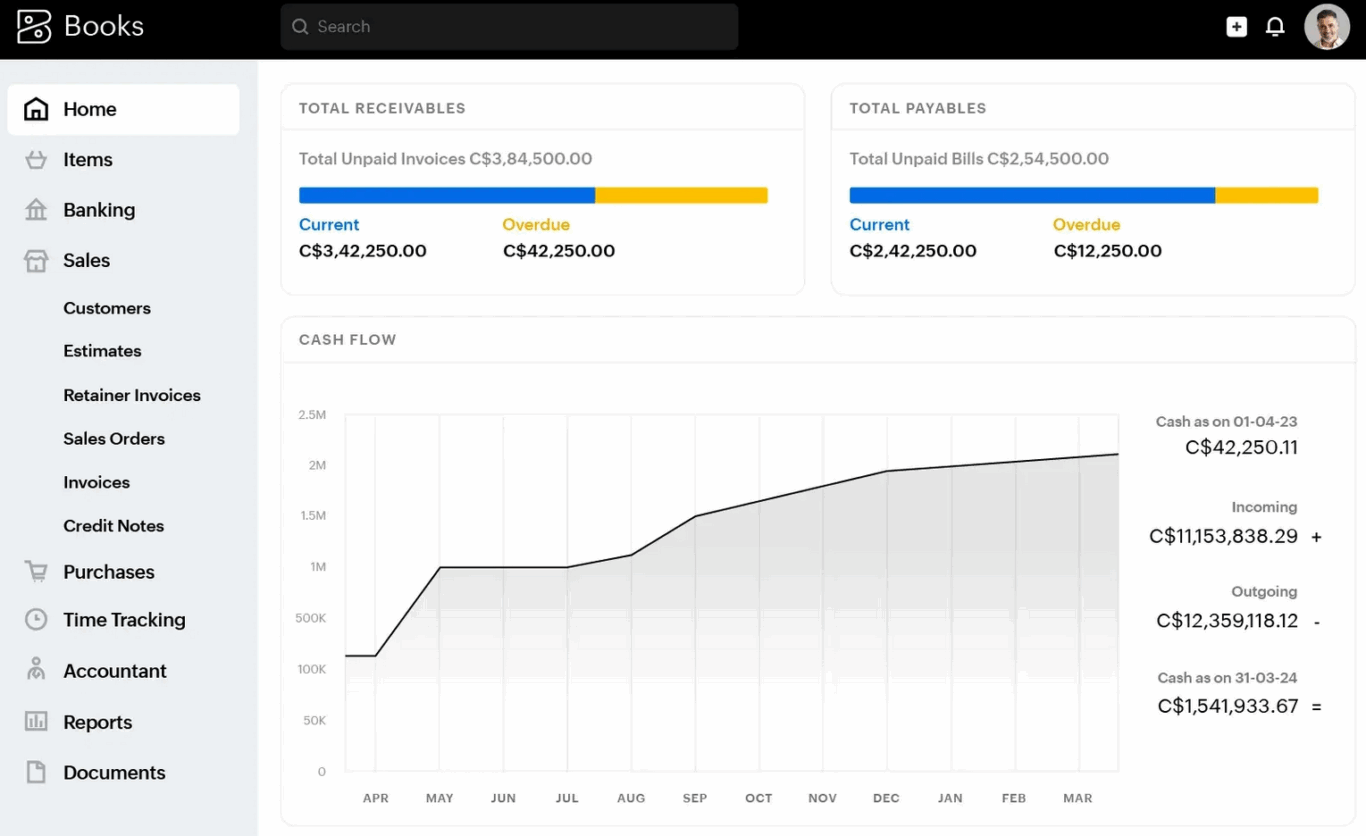
Zoho Books is an accounting platform within the broader Zoho suite. With Zoho Books, you can handle everything from generating tax returns to invoice management and tracking inventory. With accessible pricing and more advanced features than other NetSuite competitors for smaller businesses, Zoho Books is definitely an option to consider.
Strengths
- Integrates natively with other Zoho tools.
- Broad accounting and resource management features.
- Free plan available.
Main limitation
- Fewer built-in integrations than other options.
Pricing
Zoho Books offers a free plan, with paid plans starting at $20 and scaling up to $70.
Sage Intacct

Sage Intacct is an advanced financial platform with AI-powered features built with larger organizations in mind. Automate workflows like accounts payable, detect anomalies in your general ledger automatically, and free up precious time to focus on growing your business—instead of figuring out how to pay for that growth.
Strengths
- Deep accounting capabilities.
- Real-time financial insights.
- GDPR and SOC2 compliant.
Main limitation
- Not a true ERP like NetSuite.
Pricing
Sage Intacct pricing isn’t publicly available, but yearly contracts typically hover around $60,000.
Microsoft Dynamics 365 Business Central
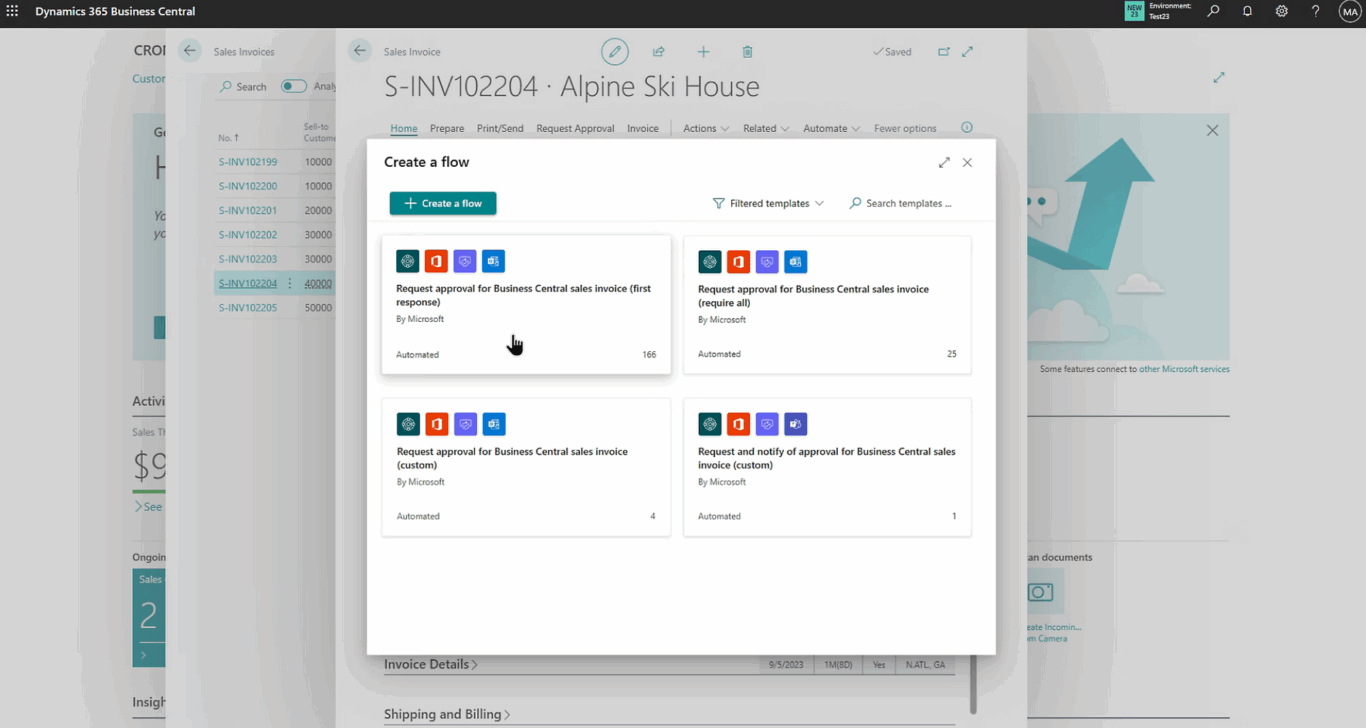
Microsoft Dynamics 365 Business Central is an AI-powered ERP for small and midsize businesses, putting AI agents at your fingertips to streamline important workflows. If you’re already working in the Microsoft ecosystem, then this ERP may be exactly what you need.
Strengths
- Deep Microsoft 365 integration.
- Connects accounting, CRM, inventory, and operations in one platform.
- Easy-to-use interface.
Main limitation
- More limited outside the Microsoft ecosystem.
Pricing
Dynamics 365 Business Central plans start at $70 per user, per month, scaling up to $100 per user, per month.
Acumatica
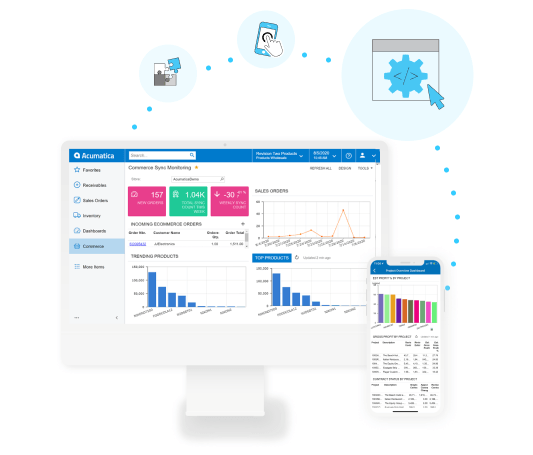
Acumatica is a fully-customizable cloud ERP built with midmarket companies in mind. It integrates natively with the tools you already use and scales with your usage. See all your important data in one place and get a platform that delivers useful insights for every workflow.
Strengths
- Fully customizable.
- Integrates with over a hundred applications.
- Compliant with security frameworks like GDPR, SOC Type 1 & 2, PCI DSS, and more.
Main limitation
- Acumatica requires a complex initial setup, and the lack of templates means it might be too technical for some teams.
Pricing
Usage-based, starting around $1,500 a month.
Certinia

If you have a services-based business above a certain size, Certinia is a strong choice for a NetSuite competitor. Used by over one million professionals, Certinia is a Salesforce-native platform that centralizes sales, service delivery, finance, and customer success.
Strengths
- Perfect for organizations using Salesforce.
- Purpose-built for service projects.
- Quick time to value.
Main limitation
- Limited outside of service-based use cases.
Pricing
Pricing for Certinia isn’t available publicly. You’ll need to reach out to their sales team.
SAP Business ByDesign
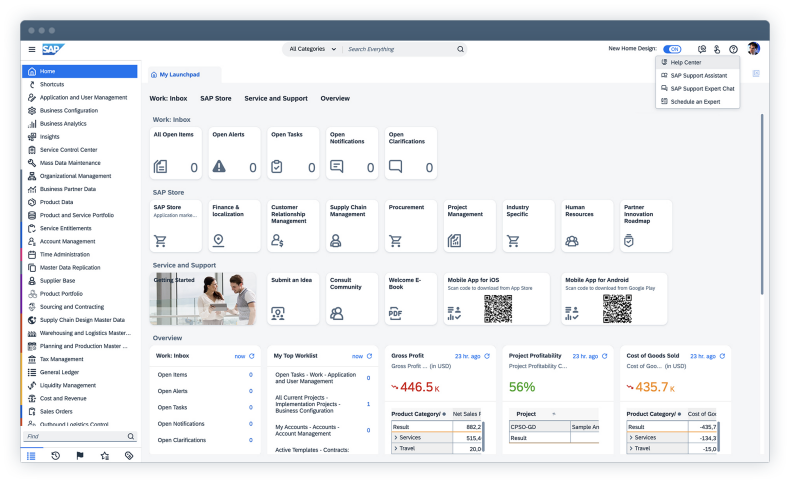
Midsize organizations are often stuck between solutions built for small businesses and enterprise platforms that go beyond their needs. SAP Business ByDesign strikes a balance between these two extremes, giving these organizations access to a robust ERP without the enterprise price tag.Strengths
Comprehensive suite for finance, sales, and other business functions.One of the deepest ERP systems on the market.Works within the broader SAP ecosystem.
Complex setup and more limited outside SAP processes.
How to choose the right NetSuite competitor
Define must-haves vs. nice-to-haves
When choosing a NetSuite competitor (or any platform), you can’t have it all. The key is to know what you absolutely need and what’s more of a bonus. Before you start evaluating your options, identify the workflows that depend on an ERP, and determine what that platform absolutely needs to do to support these.
Validate pricing early
Many ERPs don’t make exact pricing public, meaning you can only get an estimate of the price you’ll pay. Make sure to get exact quotes early in the evaluation process, so you don’t spend too much time on a platform that’s outside your budget.
List integration requirements
Your ERP will need to process data from tools like CRMs, business intelligence platforms, and even spreadsheets. Before you start your search for a NetSuite competitor, make sure you have a list of the tools you’ll need to integrate.
Determine implementation timeline
Some ERPs can be deployed in weeks. Others can take months, even when limited to a small pilot project. When you start researching your options, make sure to research implementation times, so you can get a platform that fits your needs.
Consider scalability
Some platforms are uniquely suited to small and medium businesses, meaning they don’t scale particularly well as you feed them more and more data. Conversely, platforms that are built with enterprise organizations in mind don’t scale down particularly well.
Address industry-specific needs
Platform designed for service-based businesses won’t be as effective for organizations that primarily sell products. By knowing the needs specific to your industry, you can pick a NetSuite competitor that’s a better fit for you.
How Unito solves the ERP integration problem
ERP platforms can come with multiple costs, including monthly subscription fees, deployment costs, and expenses for consultants that can get the platform working just right. But a hidden cost most organizations don’t think about? Software integration.
ERPs are meant to be your one-stop shop for business insights and real-time data. But actually getting that depends on the integrations built into it. And most platforms don’t have all the integrations you need.
That’s where Unito comes in. Unito has the deepest two-way integrations on the market for platforms like NetSuite, connecting your entire stack and eliminating tool silos.
Want to see what Unito can do for your workflows?
Meet with our product experts for a custom demo.